

Brand research that drives smarter decisions
Study Design, Field, and Reporting
Clearly defined designs and sampling are the foundation of credible and successful research. We offer trusted and quality research services.
Study Design
Collaboratively review options to identify the best research approach to answer business objectives.
We work together to create and finalize questionnaire.
Survey programmed and thoroughly checked and tested before field.
Field/Data Processing
Obtain ample base sizes in total and for key subgroups.
End up with a dependable category rep sample for analysis.
Customized data and advanced analytics outputs.
Reporting
We are experienced in helping brands leverage the results and work with you to create a storytelling presentation with insightful recommendations.
IGNITE Video Insights
Create concise, high-impact video summaries. These high-level insight videos are designed to clearly communicate key findings and strategic recommendations in a visual, engaging format. Simply forward the video to the team to quickly deliver insights and next steps.
Here’s an example of a video insights. Each video can be fully customized, with or without music, tailored voiceover, and a look and feel that aligns with your brand and audience.

Pre Launch: Fine Tune Ideas
Determine consumer interest and acceptance of innovation, marketing initiatives, concept ideas, and products or services prior to introduction. Below are a few research approaches to consider at this phase.
Qualitative: Well-versed in specialized techniques for eliciting reactions to all types of stimuli and for probing beyond the expected.
Idea Screen: Screen several potential product/services or marketing ideas to decide which ones are worthy of further development.
Copy/Concept Test: Identify acceptance and fine tune new marketing ideas prior to introduction. We examine concepts as a whole and also identify phrases and images that resonate most within a concept.
Name/Package Test: Identify the most appealing brand name or package to guide product development.
Conjoint: Identify the most compelling claims or benefits for your product. Determine the optimal combinations for both packaging and marketing to attract category users. A simulator is included so you can evaluate any combination of claims or benefits to guide next steps.

Launch: Amplify Growth Plan
Clearly understand your target market and growth opportunity to guide relevant and targeted marketing campaigns. Below are some of the research approaches to leverage at this phase.
Category Assessment: Better understand the brand landscape in a category. Determine which brands lead the category and why. Identify strengths and weaknesses versus competitors to guide strategies to enhance penetration.
Segmentation: Develop segments based on differing behaviors and attitudes that exist between category consumers. Consumers are grouped together into segments who have similar sets of needs. Identify the segments that offer the most opportunity and build a roadmap for growth.
Digital Scraping: Pull online category and brand content to guide questionnaire development, support research results, and to identify untapped opportunities.
Marketing Optimization: Determine which ads perform best and resonate more with your target segment. Relevant ads "stick" more and are remembered allowing brands to build awareness and consideration with less exposure.

Post Launch: Evaluate & Adjust
Track marketing campaigns and evaluate category opportunities to enhance customer acquisition. Monitor customer loyalty to build retention and avoid migration to other brands. Below are a few research approaches to consider at this phase.
Acquire Customers: Monitor the impact and fine tune marketing efforts to optimize acquisition. Determine whether or not advertising is effective and growing a brand by measuring changes in awareness, consideration, and purchase. The program provides direction to more relevant and efficient marketing initiatives.
Retain Customers: Retaining brand users is a key piece to brand growth. Monitors users to measure how connected they are to your brand and identify enhancement areas to strengthen loyalty.
Consumer Journey: Obtain insights and direction at every stage of your category consumer journey, from awareness to consideration to purchase to retention.
Video Spotlight: Amplifies research and makes findings come to life. Video response questions are customized to align with research objectives. See and hear your target market in their environment providing more direction and depth to study insights.
Case Study: Concept Test
Objectives
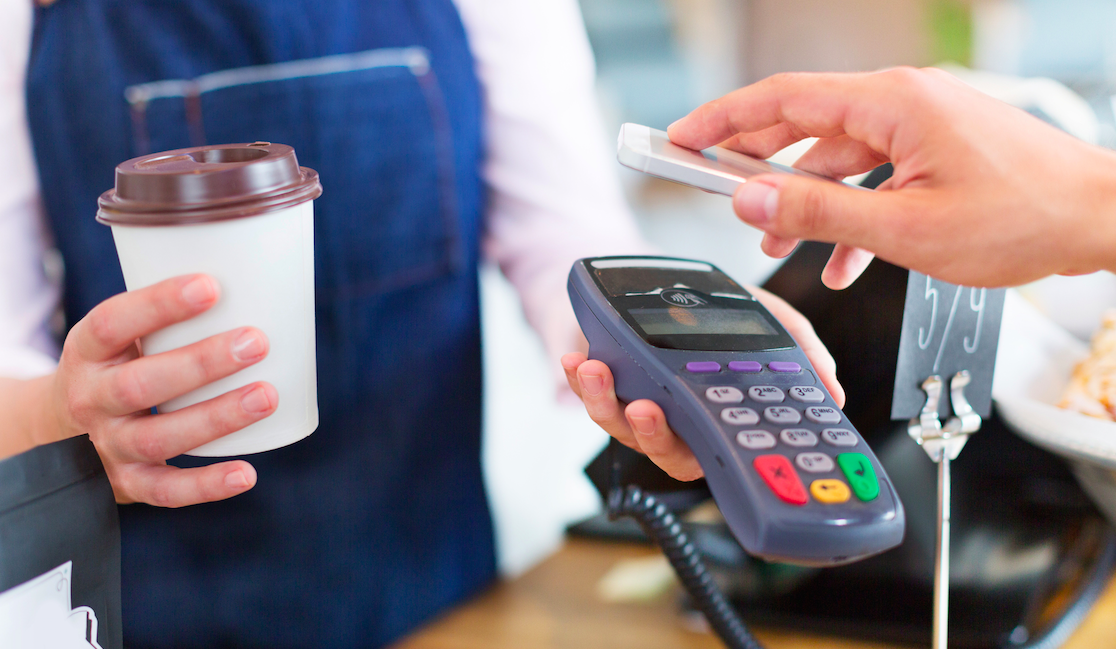
A major credit card company was interested in evaluating and identifying opportunities with 2 tap-to-pay digital wallets.
What are the advantages and barriers to using each digital wallet?
Which tap-to-pay purchase system should the credit card company partner with?
Methodology
US National representative sample with set quotas to align demographics with US census. 500 interviews: 250 exposed to concept X, 250 exposed to concept Y.
Qualified respondents: Adults 18+, ½ male/½ female, own smartphone that supports digital wallets, and must have a credit or debit card.
Questionnaire Flow: 20 Minute Online Survey
Qualification questions
Digital wallet awareness, usage, behavior, attitudes, benefit importance
Concept X/Y monadic evaluations and benefits performance
Demographics
Key Learnings
Concept X was much more appealing to consumers because it is accepted at more retailers and offers an advanced security feature which provides peace of mind to consumers.
Rewards and quickness of payment the main reasons for consumers to use tap-to-pay versus plastic for a purchase.
Results gave client clear direction on which tap-to-pay payment system to partner with.
Provided ideas on how to enhance purchase using a credit card through tap-to-pay purchase.
Digital/social media listening supported steps going forward giving the client more confidence in their decision.
Video Spotlight made the findings come to life and guided marketing by helping create messaging more in-line with consumers language.

Case Study: Growth Guidance
Objectives
A men’s grooming category study was conducted to guide brand growth.
Provided detailed learning about purchase behavior and attitudes in the men’s grooming category.
Revealed the brand landscape, category leaders, and where each brand sits within the category and at the product level.
Discovered the most relevant campaign messages and positioning statements to generate consideration.
Determined which package design and concepts resonated most with opportunity segments.
Identified the best touchpoints to build an efficient media plan.
Methodology
National representative sample of men 15-55 years old who are weekly users of shampoo/conditioner, body/face wash, hair styling gel or shaving cream/gel.
Built quota groups for heavy, medium, and light groomers.
Questionnaire Flow: 20 Minute Online Survey
Qualification questions
Brand landscape - brand awareness, purchase, consideration, equity
Recommend brand (Net Promoter Score)
Brand imagery and brand personality ratings
Package/concept evaluation
Van Wes pricing model
Barriers to purchase
Purchase touchpoints
Psychographics
Demographics
Key Learnings
Target men age 25 to 35 who are high level groomers. When established, expand the campaign to reach the wider 15 to 45 high level groomers age group.
Shampoo/conditioner and hair styling gel should stand out more in marketing efforts. Leverage quality and efficacy of shampoo/conditioner and hair styling gel to cross sell other products.
Marketing efforts need to focus in Metropolitan areas.
For campaign look and feel, consider married men to build friendly, reliable and elegant perceptions and single men to convey adventurous and athletic.
Hair and skin benefits need to be conveyed through marketing efforts.
White space: Natural ingredients is not yet owned by any brand, differentiate in this area. Qualitative results also support “natural” as an untapped opportunity.
Science and technology is intriguing to men, this may be an area to gain an edge over the competition. Educate men about the benefits of this combination.
Show visuals of the unique cap with hidden spout, also include any other smart package designs.
Place online videos and display ads throughout digital touchpoints that are used most by the opportunity segment.
Leverage online videos and display ads to generate traffic to ecommerce site.
Place short product level information and testimonial videos on websites and across social media platforms (YouTube, Instagram, Facebook, and Pinterest).
Gaming represents another opportunity to build exposure by sponsoring in-game awards.

Case Study: Barriers to Usage
Objectives
A major credit card company partnered with a “Major City” transit to introduce a dual use reloadable pre-paid card. This card offered transit riders the means by which to pay for their transit fare as well as to pay for purchases anywhere credit/debit cards are accepted.
The credit card company wanted to measure the appeal of the transit card and barriers to using the pre-paid option.
Methodology
501 completed interviews: Adults 18+, ½ male/½ female, decision makers on financial products, live in the “Major City” transit area, use the “Major City” transit at least once every 2 or 3 months.
An augment was done to get readable base sizes for the following groups: 50 Unbanked (do not have a checking account and savings account and debit card and credit card) and 100 Underbanked (have a checking account or savings account and not have a debit card or credit card).
Field Challenge: The Unbanked augment was a 1% incidence and we initially had difficulty meeting the quota of 50 competed interviews. Since more of the Unbanked were Hispanics, we pulled a more targeted sample to increase the incidence and achieve the quota. Back-up plan was to conduct phone interviews using CATI to meet Unbanked quota.
Questionnaire Flow: 20 Minute Online Survey
Qualification questions
Transit card behavior, attitudes and benefits importance
Transit card concept evaluation and benefits performance
Advertising touchpoints awareness, break-through, and impact
Demographics
Key Learnings
Most would use the pre-paid card just for transit only.
About half feel there's no need for the pre-paid transit card as they can use other cards for purchase.
The card was more appealing to those without a credit or debit card.
Fees associated with uploading and withdrawing cash the biggest barrier to usage.
Losing the card and losing amount loaded on the pre-paid card was a concern.
Digital/social media scraping enhanced the analysis by identifying improvement areas not evident in the traditional study: lost/forgotten cards are a major issue (recommended an app), online money management is also an issue, fees is an area of frustration with riders - especially around lost card and uploading and withdrawal.

Contact us to learn how we can help
914-980-4976